📞 +1 (647) 224 4775 📧 info@daneliadentalwellness.ca 📍 Address: 4430 Bathurst St, North York, ON
Professional Dental Cleaning : Why It Matters for Your Oral Health ?
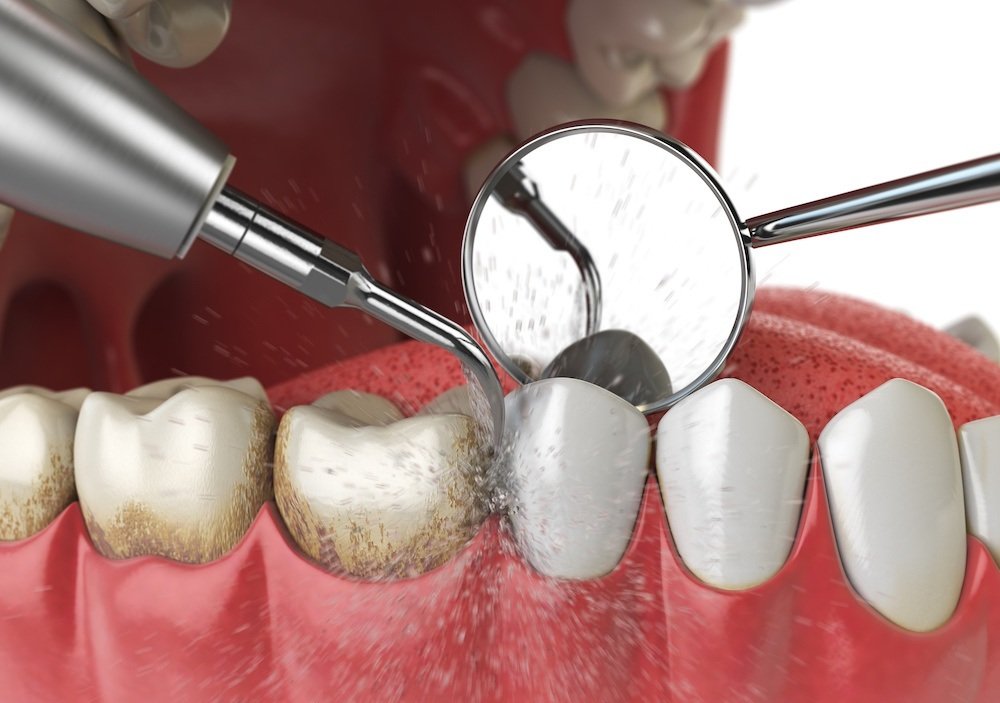
Brushing and cleaning between your teeth every day are essential habits, but home care cannot always remove every deposit that develops around the teeth and gumline. Once plaque hardens into tartar—also called calculus—it cannot be removed with an ordinary toothbrush. Professional treatment is required to remove it safely.
A professional dental cleaning helps control plaque and tartar buildup, supports healthier gums, freshens your mouth, and may prevent minor oral-health concerns from progressing into more complicated problems.
What Is a Professional Dental Cleaning?
A professional dental cleaning is a preventive oral-health service performed by a qualified dental professional. It typically involves carefully removing plaque and tartar from the teeth, cleaning around the gumline, polishing appropriate tooth surfaces, and providing personalized home-care recommendations.
The appointment may also include an oral-health assessment to identify concerns such as gum inflammation, bleeding, recession, heavy deposits, sensitivity, or areas that are difficult to clean effectively at home.
The exact services provided should be based on the condition of your teeth and gums rather than following the same routine for every patient.
Plaque and Tartar: What Is the Difference?
Plaque is a soft, sticky film containing bacteria that continually forms on the teeth. Regular brushing and interdental cleaning can remove much of it.
When plaque remains on the teeth, minerals in saliva can cause it to harden into tartar. Tartar creates a rough surface where additional plaque may collect and cannot be brushed away at home. Professional instruments are needed to remove hardened deposits.
This is one of the main reasons professional cleaning remains important even for people who brush consistently.
Why Is Professional Dental Cleaning Important?
It Supports Healthier Gums
Plaque accumulation near the gumline may cause the gums to become inflamed, swollen, tender, or more likely to bleed. Gingivitis is the earliest form of gum disease and can often be improved through effective daily oral hygiene combined with appropriate professional treatment.
Removing plaque and tartar gives the gums a cleaner environment and makes daily home care more effective.
It Helps Reduce the Risk of Tooth Decay
Bacteria in dental plaque produce acids that attack tooth enamel. Over time, repeated acid exposure can contribute to cavities. Professional cleaning removes deposits from areas that may be difficult to reach, while personalized guidance can help patients improve their daily cleaning technique.
Cleaning does not repair an existing cavity, but it is an important part of a preventive oral-care routine.
It Can Improve Breath Freshness
Persistent plaque, tartar, food debris, and gum inflammation may contribute to unpleasant breath. A professional cleaning removes deposits that brushing may leave behind and can help your mouth feel noticeably fresher.
Because bad breath can have several causes, ongoing symptoms should be properly assessed rather than covered with mints or mouthwash alone.
It Removes Many External Surface Stains
Coffee, tea, red wine, tobacco, and strongly coloured foods may gradually leave stains on the tooth surface. Professional polishing can remove many external stains and leave appropriate tooth surfaces feeling smoother.
A cleaning may make teeth appear fresher and brighter, but it is different from teeth whitening. Whitening changes the shade of natural teeth, while cleaning primarily removes deposits and surface stains.
What Happens During a Dental Cleaning Appointment?
Your visit may include:
Oral-Health Assessment
Your teeth, gums, and oral tissues are evaluated to determine the care you need. Your dental hygienist may also ask about your medical history, medications, sensitivity, current home-care routine, and any concerns you have noticed.
Scaling
Specialized hand instruments or ultrasonic equipment may be used to carefully remove plaque and hardened tartar from the teeth and around the gumline.
Polishing
When appropriate, the teeth may be polished to remove external stains and leave the surfaces feeling cleaner and smoother.
Personalized Oral-Hygiene Guidance
Your dental hygienist may recommend specific brushing methods, floss, interdental brushes, or other tools based on the spaces between your teeth, gum condition, dexterity, implants, restorations, or orthodontic appliances.
The American Dental Association recommends brushing twice daily with fluoride toothpaste and cleaning between the teeth every day, but the best products and techniques can vary between patients.
Routine Cleaning or Deep Cleaning?
A routine professional cleaning is generally preventive and focuses on removing plaque, tartar, and stains from accessible areas around the teeth and gumline.
A deep cleaning—commonly called scaling and root planing—is a different form of treatment used when gum disease has created deeper spaces, or periodontal pockets, around the teeth. It involves cleaning beneath the gumline and along the root surfaces.
Your dental professional should determine which treatment is appropriate after assessing your gum health. A routine cleaning should not automatically be presented as a substitute for periodontal treatment when deeper disease is present.
How Often Should You Have Your Teeth Professionally Cleaned?
There is no ideal schedule that applies to every patient. The appropriate interval depends on factors such as:
Current gum health
Rate of plaque and tartar accumulation
History of periodontal disease
Cavities and other oral-health risks
Smoking
Diabetes and relevant medical conditions
Dental implants, bridges, or orthodontic appliances
Effectiveness of daily home care
Some patients may benefit from more frequent appointments, while others may require them less often. Your dental hygienist can recommend a personalized maintenance schedule based on your oral-health assessment.
Professional Dental Cleaning with Nataly Danelia, RDH
Experience, Precision and Personalized Care
Nataly Danelia, Registered Dental Hygienist, brings more than 20 years of experience in dentistry and provides preventive dental-hygiene care tailored to each patient’s individual needs.
Her approach combines careful assessment, thorough clinical care, patient education, and attention to comfort. Rather than treating every appointment the same way, Nataly considers your gum health, level of buildup, sensitivity, medical history, and long-term oral-health goals.
Patients receive clear explanations throughout their visit and practical recommendations they can follow at home. Whether you are maintaining a healthy smile or returning to professional care after an extended period, the focus remains on respectful, individualized treatment without judgment.
Protect Your Smile with Preventive Care
Professional dental cleaning is more than a cosmetic service. It is an important part of maintaining cleaner teeth, healthier gums, and a more effective daily oral-care routine.
Do not wait for discomfort to make your oral health a priority. Gum problems can begin with subtle signs, including bleeding during brushing, persistent bad breath, tenderness, or visible tartar buildup.
Schedule your professional dental cleaning with Nataly Danelia, RDH, and receive personalized care supported by more than 20 years of experience in dentistry.
Serving North York, Toronto and the GTA.